The Almanac
The Wood River Coffee Almanac
An independent journal of high-altitude coffee craft in Idaho's Wood River Valley — brewing at elevation, cafe kitchen work, mountain baking and the culture of the ski-town coffee house.
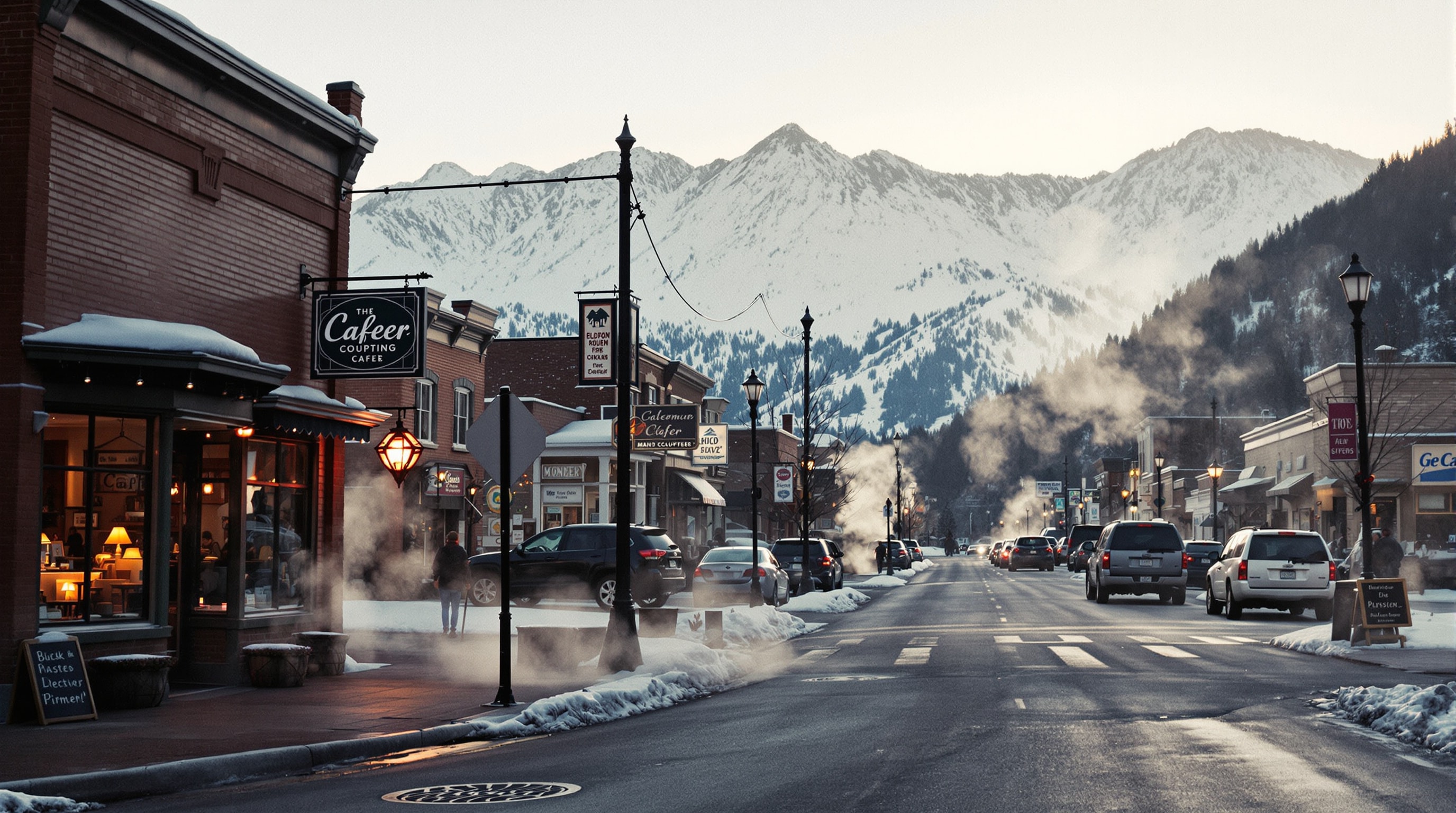
Coffee behaves differently at six thousand feet. Water boils cooler, dough rises faster, milk steams to a different texture, and the people drinking it have usually been outside since before sunrise. This is an independent journal about that difference — about how coffee is roasted, brewed, poured and eaten in the mountain towns strung along Idaho's Wood River Valley and the high country around it.
We are not a café. We do not roast, sell, ship or serve anything. The Almanac exists to explain the craft that happens behind a mountain-town counter, and to give visitors and residents the vocabulary to appreciate it. Everything here is written for readers, not customers.
What This Almanac Covers
The valley runs roughly north from the high desert up into the Sawtooth and Pioneer ranges, gaining thousands of feet along the way. Elevation is the organising fact of every page on this site. It changes the chemistry of extraction, the physics of baking, the timing of a breakfast rush and the shape of a whole working year.
The Almanac is arranged as a set of standing chapters rather than a blog. Each one is maintained and revised rather than dated and abandoned:
- Craft — brewing coffee at altitude, where the boiling point falls roughly two degrees Fahrenheit for every thousand feet gained, and every recipe written at sea level needs rethinking.
- The board — a plain-language field guide to the drinks on a mountain café board, from the small macchiato to the breve to the condensed-milk coffee that keeps turning up in ski towns.
- The kitchen — how a café cooks breakfast for a room that has already been outside, and why the bakery case is the hardest job in a mountain kitchen.
- Sourcing — what roast levels, origins and trade models actually mean once the marketing language is stripped out.
- Place and time — the geography and daily rhythm of the valley's coffee towns, and the seasonal year that governs when anything is open.
Why Mountain Coffee Is Its Own Subject
Specialty coffee is usually written about from sea-level cities, where the variables are well understood and the recipes travel. Move the same beans, the same grinder and the same barista up a mile and the results change in ways no amount of skill fully cancels. Water tops out near 199°F instead of 212°F. Extraction slows. Sour, under-extracted espresso becomes the default failure mode rather than the occasional one, and the fix is a whole cascade of adjustments — finer grind, longer contact, hotter machine, different roast.
Baking is affected even more sharply. Leavening gases expand against less atmospheric pressure, so a muffin that domes beautifully in a valley town can climb and collapse on a ridge. The mountain bakeries that get it right have usually spent years quietly re-engineering their formulas. The high-altitude food preparation research published by Colorado State University Extension remains the clearest public treatment of why, and it underpins much of what we write on the baking side.
What Readers Ask About Most
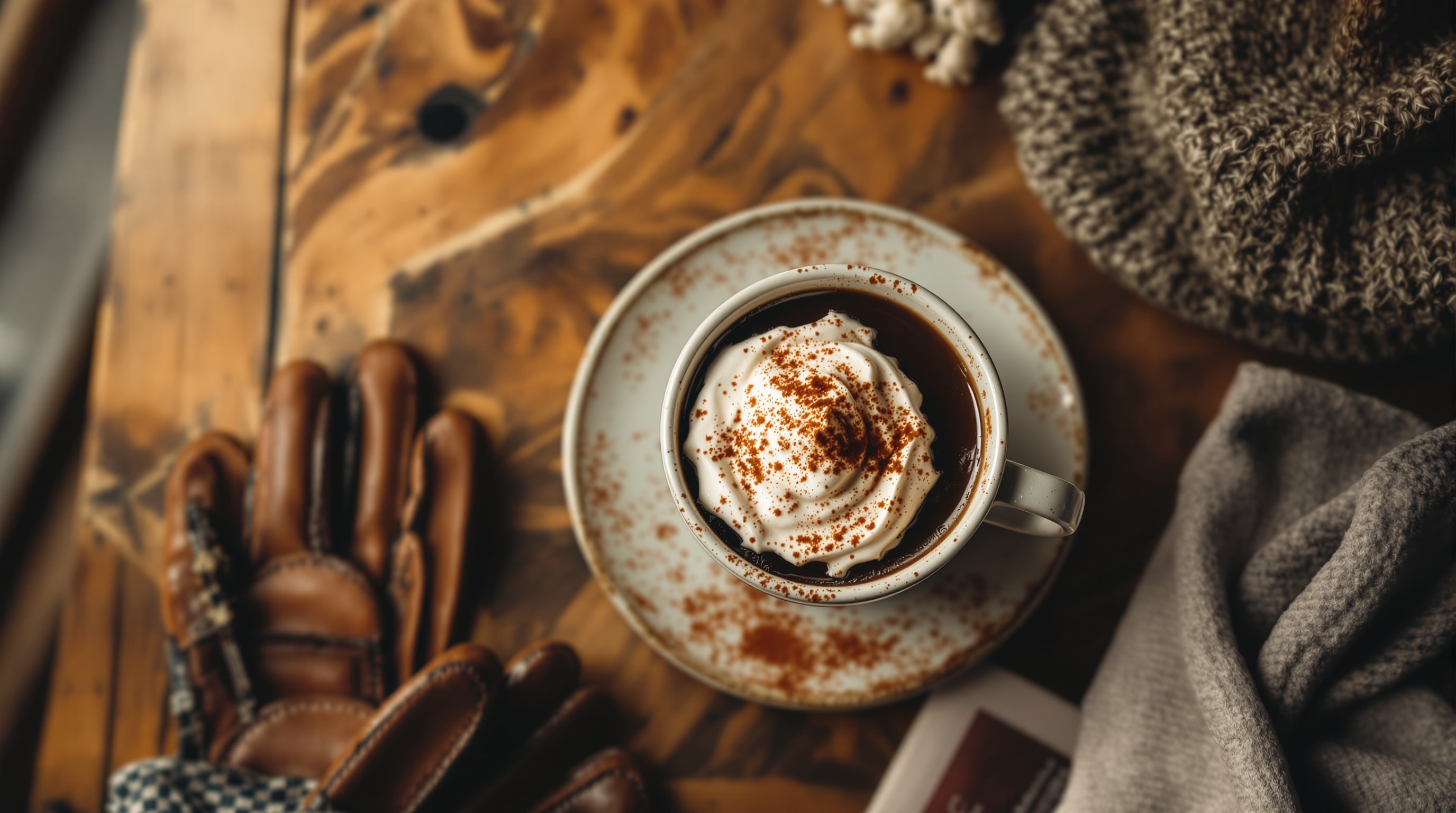
Two questions arrive far more often than any others. The first is about extraction — why a recipe that worked in Boise tastes thin in Ketchum, which is the whole subject of the brewing chapter. The second is about caffeine: how much is actually in what, why a cup that felt harmless at four in the afternoon is still doing something at eleven at night, and whether any of that changes with elevation. It is a fair question and it deserved a proper answer rather than a shrug, so the drinks chapter now opens with one. Our field guide to the café board begins with a short, plainly written account of what caffeine does and how the doses on a typical board compare, before it gets anywhere near the difference between a cortado and a macchiato.
Neither answer is advice. The Almanac describes practice and chemistry; what anyone drinks, and when, is their own business and their doctor’s.
A Coffee-House Tradition, Not a Coffee-Shop Trend
Mountain resort towns produced a particular kind of coffee house long before third-wave espresso arrived: loud, cheap, open early, tolerant of ski boots and dogs and wet gear, and functioning as the town's actual public square. In this valley that tradition dates to the early 1990s, when the first serious espresso bars opened at the head of the valley and immediately became the places where trail conditions, job leads and local arguments were exchanged.
That social function is the reason the Almanac exists. A cup of coffee at altitude is a piece of infrastructure. We write about the history of that institution with the same seriousness we give to extraction chemistry.
How to Use This Site
If you are visiting the valley, start with Locations & Hours for an orientation to the towns and the way mountain-town opening times actually work, then read How to Read a Mountain Café Menu before you order. If you live here and brew at home, Brewing at Altitude and Roasts & Origins are the two pages that will change your cup the most.
And if you only want one thing explained properly, make it the Mexican-chocolate mocha — the drink style that, more than any other, defines what a cold-morning coffee in this part of the world tastes like.
Independent, and Plainly So
The Almanac has no commercial relationship with any café, roaster, chain or supplier, and nothing on this site should be read as the voice of a business. Where we describe a practice, we describe it as a craft that many places perform, never as an offering. There are no prices, no menus, no opening times, no orders and no bookings anywhere on this site — by design. More about who writes this and why.